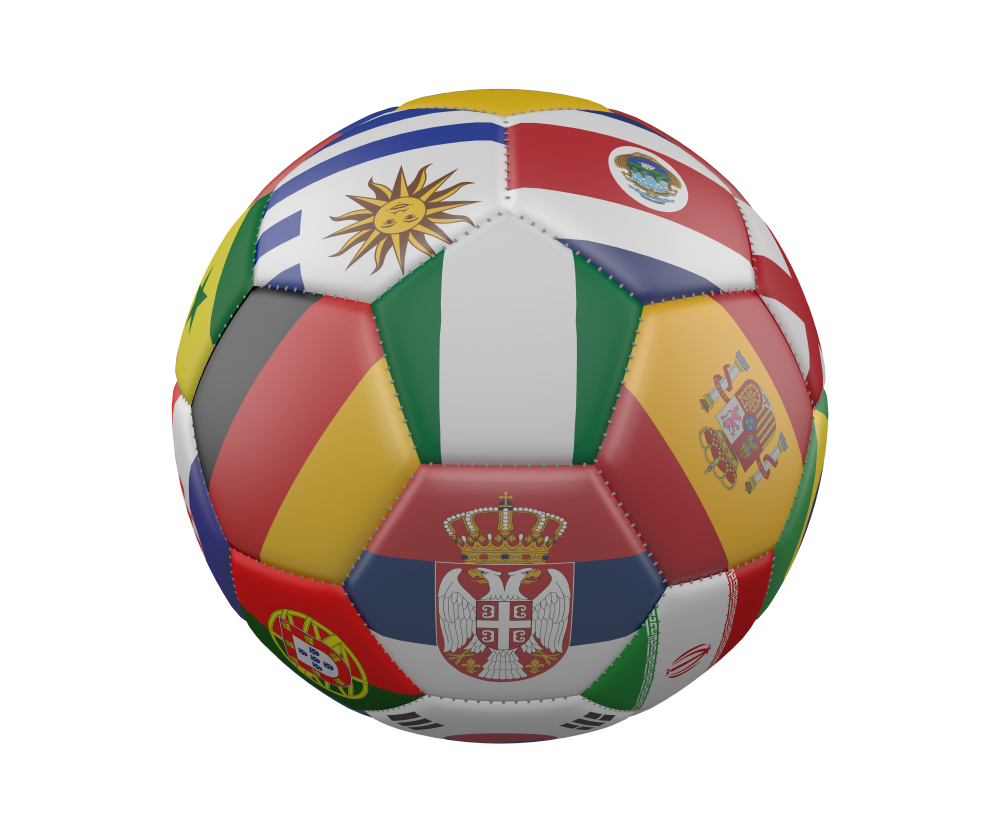
I am not a soccer fan. At least, I wasn’t when the FIFA World Cup arrived in Southern California.
Like millions of Americans, I knew it was the world’s biggest sporting event, but I couldn’t explain the offside rule or name more than a handful of international players. Yet, over the course of a few weeks, I found myself eagerly looking for places to watch matches – not because I had suddenly become a soccer expert, but because I wanted to experience what the tournament was doing to our community.
My first World Cup experience came during my church’s men’s night out at Santa Monica Brew Works. Mexico was playing South Korea, and the brewery was overflowing with energy.
One thing immediately stood out. There wasn’t a single South Korean jersey in sight. The crowd was overwhelmingly cheering for Mexico, reflecting Southern California’s deep ties to our Mexican neighbors and the passion their fans bring to the sport. Every scoring opportunity produced cheers, groans, and high-fives among people who had never met one another..
It wasn’t really about soccer. It was about community. For two hours, strangers became teammates.
My next World Cup experience came at the Bel-Air Bay Club during Argentina’s match against Cabo Verde. I expected people to support the tournament favorite. Instead, the large crowd gathered around the beach bar was almost unanimously pulling for Cabo Verde, the tiny island nation
hoping to shock the defending champions.
Every Cabo Verde attack was met with cheers. Every close call drew gasps. The possibility of an upset united people who may not have known one another but quickly found themselves sharing the same hopes.
Standing there overlooking the Pacific Ocean, I realized something remarkable was happening. None of us needed to be from Cabo Verde to appreciate their story. We simply wanted to see the underdog succeed.
Argentina ultimately prevailed, but the lasting memory wasn’t the score. It was watching the entire crowd ride the emotional roller coaster together.
Meanwhile, America’s own tournament run gave casual fans like me another reason to pay attention. Each victory seemed to attract more viewers. Friends who rarely discussed soccer suddenly wanted to know when the next match would be played.
The timing made it even more meaningful. As our nation celebrated its 250th anniversary, the United States was also making an exciting run in the world’s biggest sporting event. In a time when our political differences often dominate the conversation, it was refreshing to witness one of those increasingly rare moments when Americans from every walk of life found themselves cheering for the same team.
A brief red-card controversy added another layer of drama before the United States’ tournament ultimately ended with a disappointing loss to Belgium. By then, however, I realized I wasn’t disappointed simply because America had lost. I was disappointed because I had become invested in the shared experience.
More importantly, I had become invested in watching our community embrace the tournament. For a few weeks, people made time to gather, put their phones away, cheer together, and simply enjoy being part of something larger than themselves. Whether they agreed on politics, religion or anything else simply didn’t matter for those ninety minutes. They were neighbors first and fans second. That may be the greatest gift the World Cup gave the Westside.
Visitors came from every corner of the globe, bringing their flags, songs, and traditions with them. They filled our hotels, restaurants, beaches, breweries, and bike paths. Local businesses benefited economically, but residents beneited in another way. We were reminded how fortunate we are to live in a place where the world wants to gather.
For a few extraordinary weeks, Santa Monica, Venice, Pacific Palisades, and the surrounding communities became the world’s neighborhood. Different languages filled the air. Rival fans shared tables. Families posed for photographs together. Complete strangers congratulated one another after thrilling matches or consoled each other after heartbreaking losses.
In a time when it often feels like our differences dominate the headlines, the World Cup quietly reminded us of something just as powerful: people still enjoy coming together.
I still don’t consider myself a soccer fan. But I have become a fan of what soccer did for the Westside.
It reminded us that while we may cheer for different teams, speak different languages, or come from different countries, we all understand the joy of celebrating together, the heartbreak of coming up short,and the simple pleasure of sharing an unforgettable experience with people we had never met before.
For a few weeks this Summer, the World Cup didn’t just come to Los Angeles. The world came to the Westside.
Richard Lombari is a Pacific Palisades resident, Real Estate Wealth Advisor with Sotheby’s International Realty, 1st Vice Commander of American Legion Post 283, Advisory Board Member of the Salvation Army Santa Monica Corps, and Board member of the Santa Monica Family YMCA.
.