
Consider the Effects of Earth Day
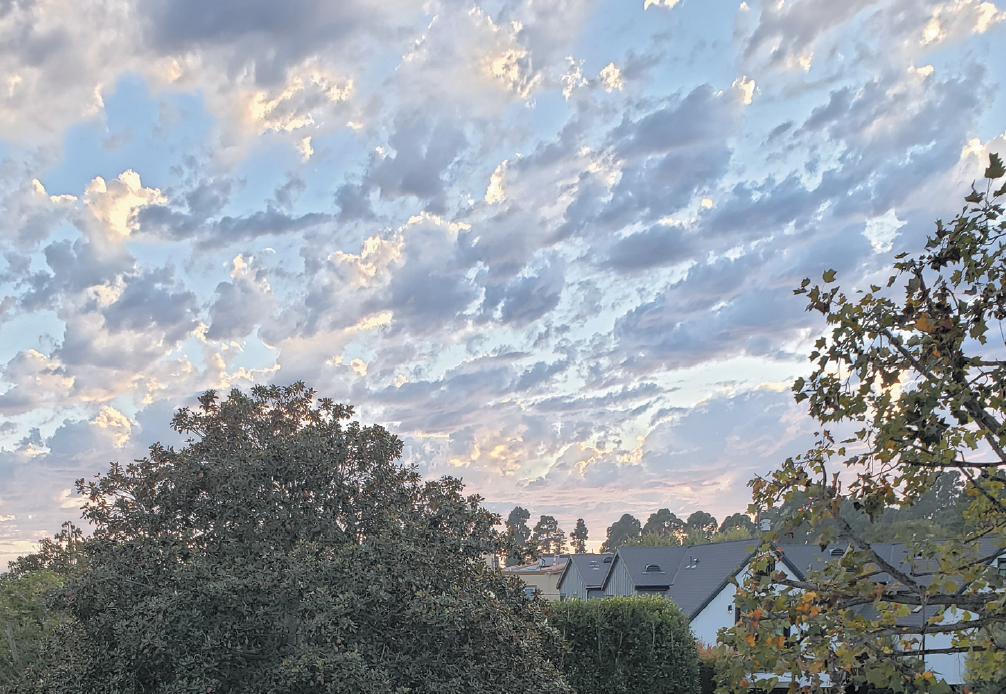
Notice the clouds overhead and how they affect our earth.
By Michelle Li
Earth Day didn’t actually start as the global “plant-a-tree” day we know it as today. Back in 1970,
it was essentially a massive national “teach-in” on the environment. Senator Gaylord Nelson started the movement after witnessing the absolute devastation of a massive oil spill in Santa Barbara, California.
It’s hard to imagine now, but at the time, we didn’t have the EPA, the Clean Air Act, or the Clean Water Act.
There were basically zero legal rules or regulatory mechanisms protecting the planet from industrial damage.
That first year, 20 million Americans (which was about 10% of the entire U.S. population at the time) hit the streets to demand change. It remains one of those rare, powerful examples of a holiday that started as a literal protest and ended up as a permanent fixture of our legal and cultural framework. This massive grassroots energy is what forced environmental issues onto the national agenda and made “ecology” a household word.
Today, the National Earth Day Network has expanded that reach to over 190 countries, but the real impact is still felt in the small, local stuff. Whether it’s a community garden in a city center or
a volunteer beach cleanup along the coast, the day serves as a reminder that environmentalism isn’t just about high-level global policy – it’s about the actual soil under our feet. As we move further into the 21st century, the vibe has shifted from just raising awareness to taking direct action. It’s a call to look at our local habits and realize how they ripple out to impact the global climate. It started with a spill and a protest, but it continues through the small everyday choices we make to keep the planet livable.
Michelle Li is a Santa Monica High School student.